
The deposit is the part of an e-bike rental that surprises people. The daily rate is advertised; the card hold usually is not, and for a family renting four bikes it can be the larger number.
What shops actually hold
Most Florida shops place an authorisation hold on a credit card rather than taking cash. Typical ranges across the state:
- Standard e-bike: $100 to $300 per bike.
- Premium, fat-tyre or cargo e-bike: $300 to $750.
- Multi-bike family rentals: sometimes a single hold covering the whole set rather than one per
bike. Always worth asking.
A hold is not a charge. It reduces your available credit without taking the money, and it is released when the bikes come back undamaged.
Why the amounts vary so much
Three factors drive it.
Replacement cost. A rental e-bike is a $1,500 to $4,000 asset. A cargo bike carrying two children is at the top of that range, and the hold reflects it.
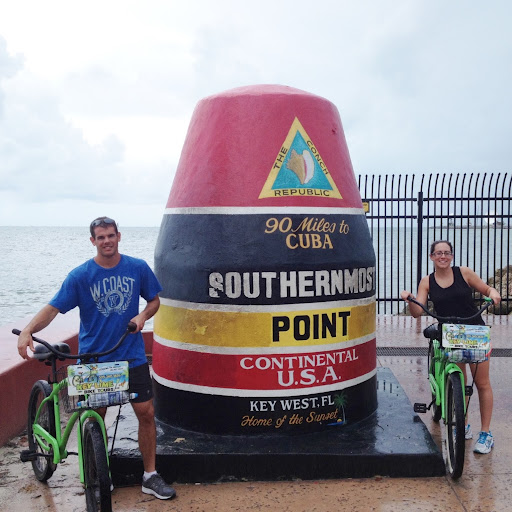
Theft exposure. Shops in towns with a known theft problem hold more. Key West is the clearest example in Florida.
Rental length. A two-hour rental with the shop's own lock is a smaller risk than a week-long rental where the bikes sleep at a rental house.
How long the release takes
This is the part that catches travellers out. The shop releases the hold when you return the bikes, but your bank decides when the funds show as available again. Three to seven business days is normal, and over a weekend or a holiday it can be longer.
If you are travelling on a card with a tight limit, that matters. Four bikes at $250 each is $1,000 of your available credit tied up for the trip and for several days after it.
What to ask before you book
- What is the hold per bike, and is it per bike or per booking?
- Is it a hold or a charge? A small number of shops charge a refundable deposit rather than
authorising, which takes longer to come back.
- Debit or credit? Many shops will not accept a debit card for the hold, and where they do, the
money genuinely leaves your account until release.
- When is the hold released, and by what method?
- What converts a hold into a charge? Damage, late return, theft, and sometimes returning a bike
at a much lower charge level than agreed.
Deposits versus damage waivers
A damage waiver does not remove the hold. It caps or forgives your liability for damage, usually with exclusions - theft almost always among them. Shops still authorise a hold because the bike can still disappear.
If you want the hold reduced, ask directly. Some shops will lower it for a waiver, a longer rental or a returning customer. Most will not, but it costs nothing to ask.

Frequently asked questions
How much deposit do Florida e-bike rentals take?
Usually a credit card authorisation hold of $100 to $300 per standard e-bike, rising to $300 to $750 for premium, fat-tyre and cargo bikes. Some shops apply one hold per booking rather than per bike.
Is a rental deposit a real charge on my card?
Normally no. It is an authorisation hold that reduces your available credit without taking the money. A minority of shops take an actual refundable charge instead, which takes longer to come back, so confirm which one you are agreeing to.
How long does an e-bike rental deposit take to be released?
The shop releases it when the bikes are returned undamaged, but the funds typically take three to seven business days to show as available again, depending on your bank. Weekends and holidays add to that.
Can I use a debit card for an e-bike rental deposit?
Often not. Many Florida shops require a credit card for the hold, because a debit hold takes real money out of your account. Where a debit card is accepted, expect the funds to genuinely leave your balance until release.
Does a damage waiver remove the deposit?
No. A waiver limits your liability for damage; it does not cover theft in most contracts, and the shop still needs an authorisation against the bike disappearing. Some shops will reduce the hold if you take a waiver, but you have to ask.